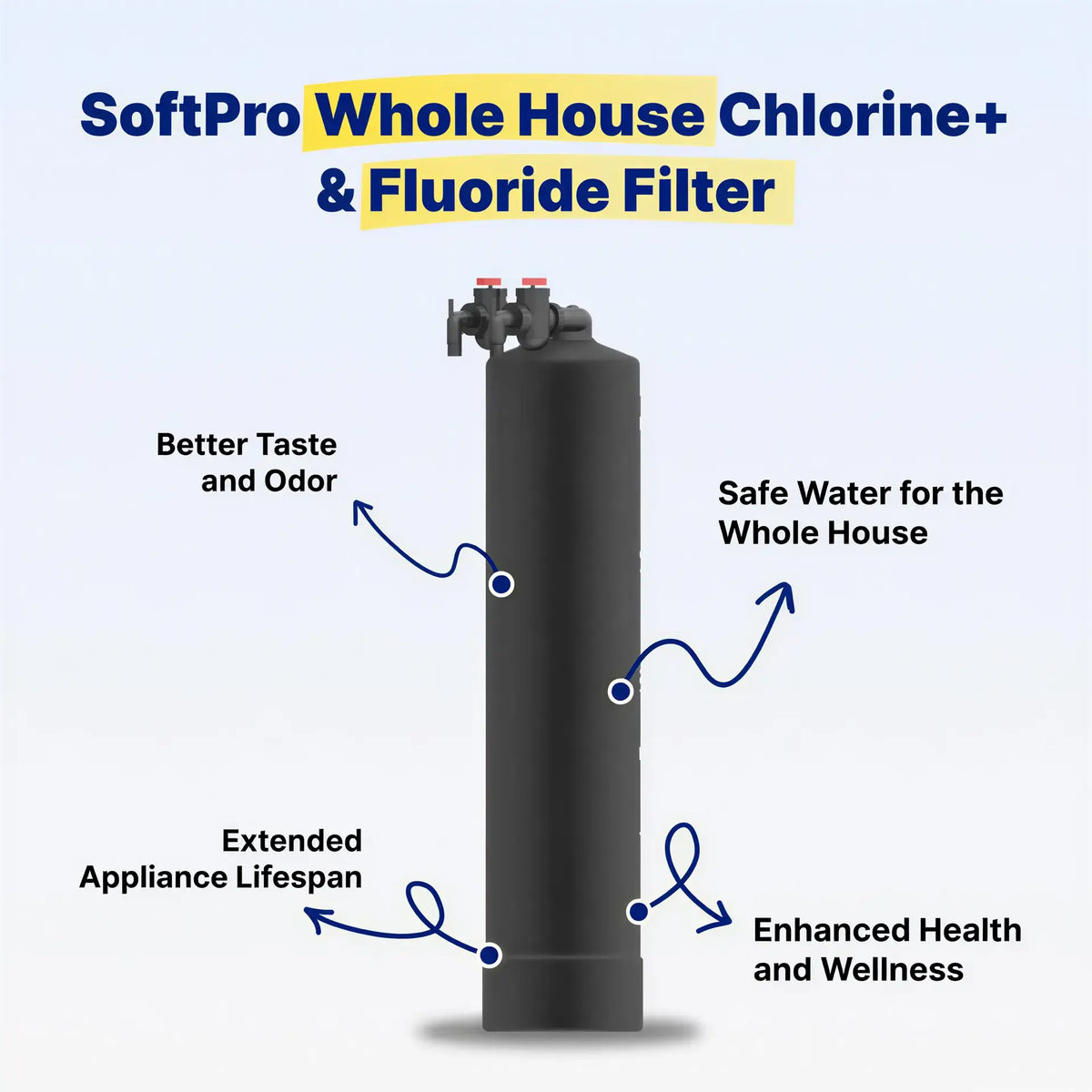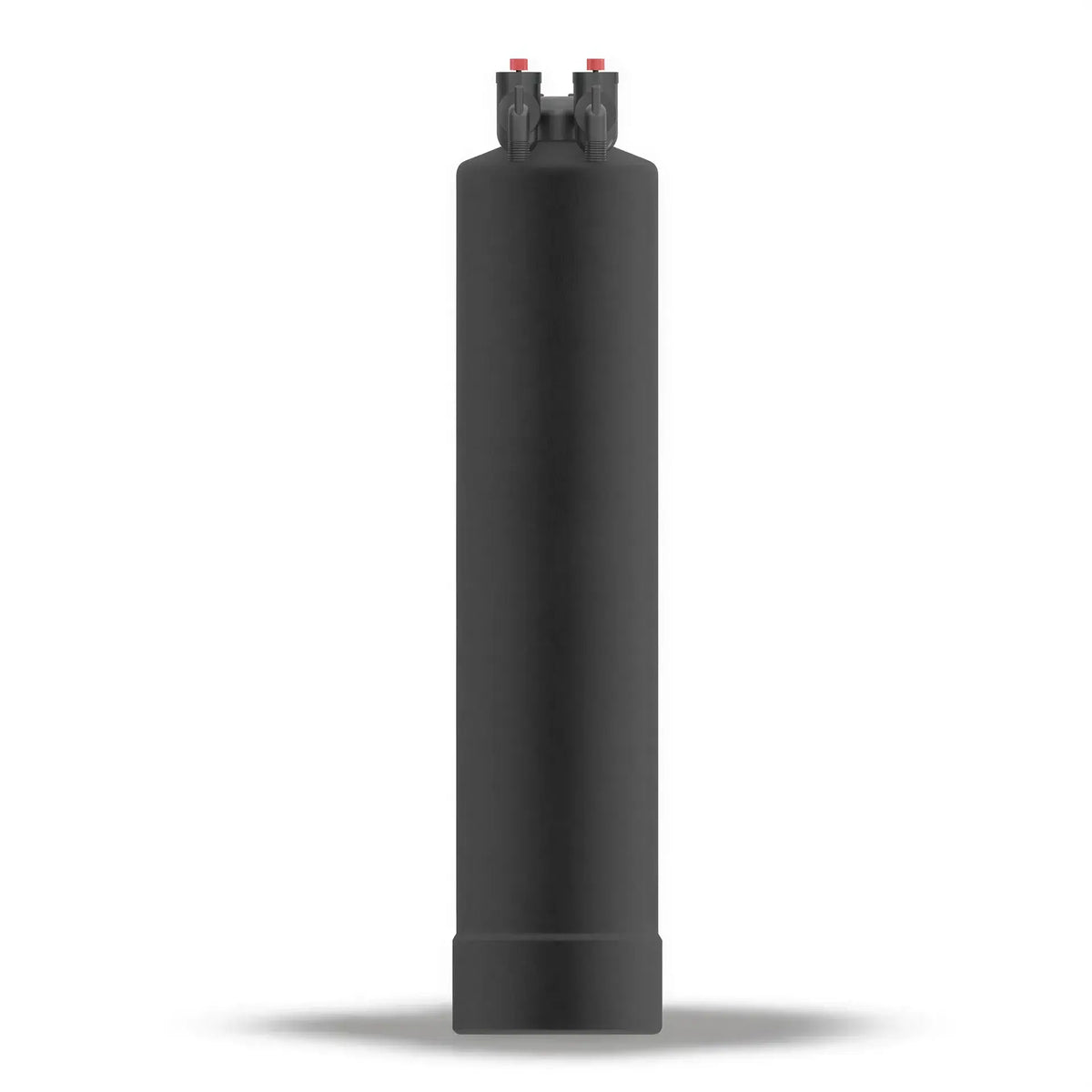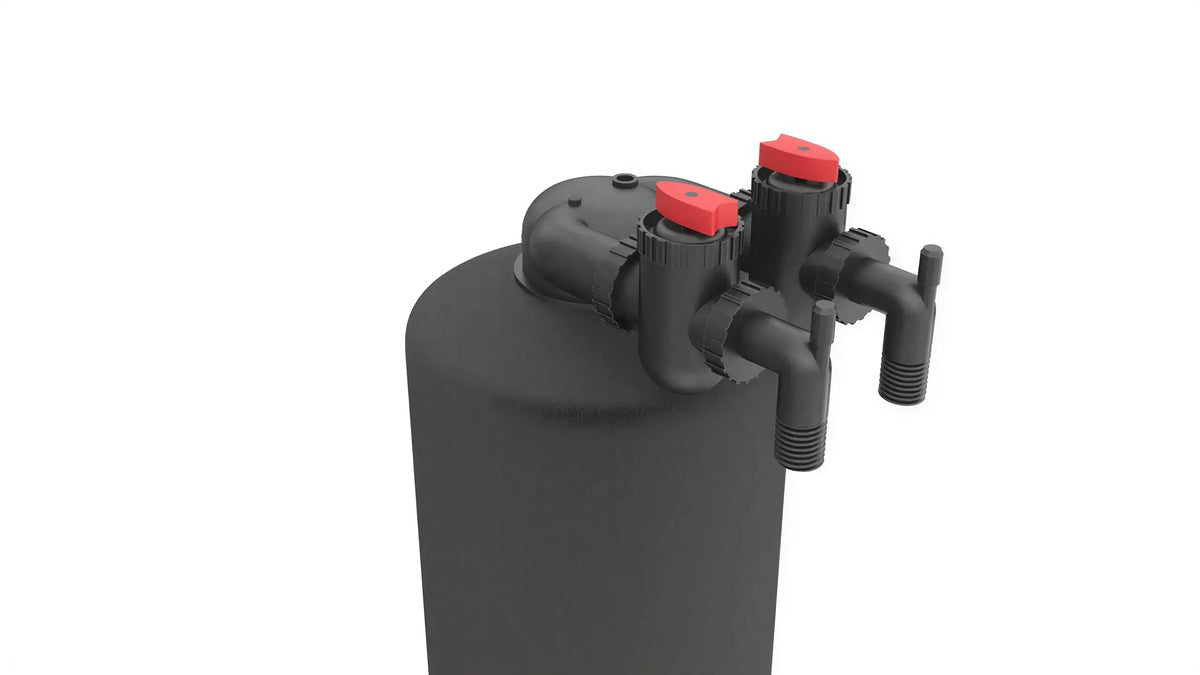
SoftPro Whole House Fluoride & Chlorine+ SUPER Filter (Catalytic + Bone Char Carbon Filter)

$1,426.50
$1,267
Save 11%
In stock. Shipped within 1-3 days.
  • check FACTORY-DIRECT SAVINGS
  • check BUILT IN USA
  • check EASY INSTALLATION
  • check FREE SHIPPING
  • check LIFETIME WARRANTY
  • check 60-DAY MONEY BACK GUARANTEE

Product Addons

Product title
$19.99
Product title
$19.99
Product title
$19.99

100% Secure Checkout

Guaranteed Secure

  • American Express
  • Apple Pay
  • Diners Club
  • Discover
  • Google Pay
  • Mastercard
  • PayPal
  • Shop Pay
  • Visa
06 Jul 2026
Order Received
08 Jul 2026
Order Shipped
10 Jul 2026
Estimated Delivery

Stop Bathing in Contaminated Water. Join 100,000+ Men Who Made the Switch.

Three Steps to Cleaner Water at Every Tap in Your Home

Image banner
1

Place Your Order

Select your system and complete checkout in a few secure clicks. No configuration choices needed this is a single-system purchase.

Image banner
2

 Fast Free Shipping

Your order is processed and dispatched within 1–3 business days from the warehouse nearest to your delivery address. Shipment tracking arrives in your inbox automatically.

Image banner
3

Install and Enjoy

Connect the system to your main supply line following the written guide and video walkthrough. The filter runs passively no programming, no salt, no ongoing intervention. Set it up once and it quietly filters every gallon that enters your home for years.

Next Level Filtration

Because Your City Water Carries More Than Just Hardness

The SoftPro Fluoride & Chlorine+ SUPER Filter Goes Where Standard Carbon Filters Stop

Dual catalytic carbon and bone char media removes fluoride, chlorine, chloramines, PFAS, and a broad spectrum of chemical contaminants from every faucet, shower, and appliance in your home — simultaneously, passively, without any ongoing effort.

  • Icon 1  Fluoride reduction at whole-house scale — bone char media provides the consistent, proven fluoride adsorption that activated carbon alone CANNOT deliver, bringing fluoride-conscious households a solution that works at every outlet rather than just one under-sink tap
  • Icon 2  Chlorine and chloramine removal that outperforms standard GAC — catalytic carbon's enhanced surface chemistry addresses chloramines specifically, which are more stable and more resistant to conventional filtration than free chlorine
  • Icon 3 Up to 99% reduction of PFAS forever chemicals — the dual-media system's combined surface area and adsorption chemistry provides broad PFAS capture that basic filters can't match

Clean Water You Can Trust at Every Faucet

Not Just Under the Sink

Whole-house filtration that treats what municipal treatment leaves behind — so the water you drink, cook with, bathe in, and breathe as shower steam is the same quality throughout your entire home.

Here's the thing: Municipal water treatment was designed to produce water that is safe. It was NOT designed to produce water that is truly clean by today's standards.

Chlorine and chloramines are added to prevent bacterial regrowth in distribution pipes — they don't disappear before they reach your tap. Fluoride is added to approximately 73% of US public water systems as a dental health measure — it arrives at your home unchanged. PFAS compounds contaminate a significant and growing percentage of US municipal water supplies, and their removal was NOT part of the original design brief for standard municipal treatment.

The SoftPro Fluoride & Chlorine+ SUPER Filter is engineered to address this second layer of water quality — the chemical treatment residuals and modern contaminants that municipal systems introduce or fail to remove.

By treating your water at the point it enters your home, the system makes every outlet — every shower, every kitchen tap, every glass of water, every pot of pasta — the same quality as a premium under-sink filter, without the limitation of only treating water at a single location.

  • Icon 1 Dual media design combining catalytic carbon and bone char reduces fluoride, chlorine, chloramines, PFAS forever chemicals, heavy metals, pesticides, herbicides, pharmaceutical traces, and petroleum compounds
  • Icon 2 Sized for medium to large homes — the system maintains strong, consistent flow to multiple simultaneous outlets including showers, appliances, and kitchen taps without pressure drop
  • Icon 3 City water optimized — no well water pre-treatment required, no complex programming, no chemicals, no electricity draw, no waste water output

More Effective Filtration by Design

Why Upflow Architecture and Advanced Media Change the Result

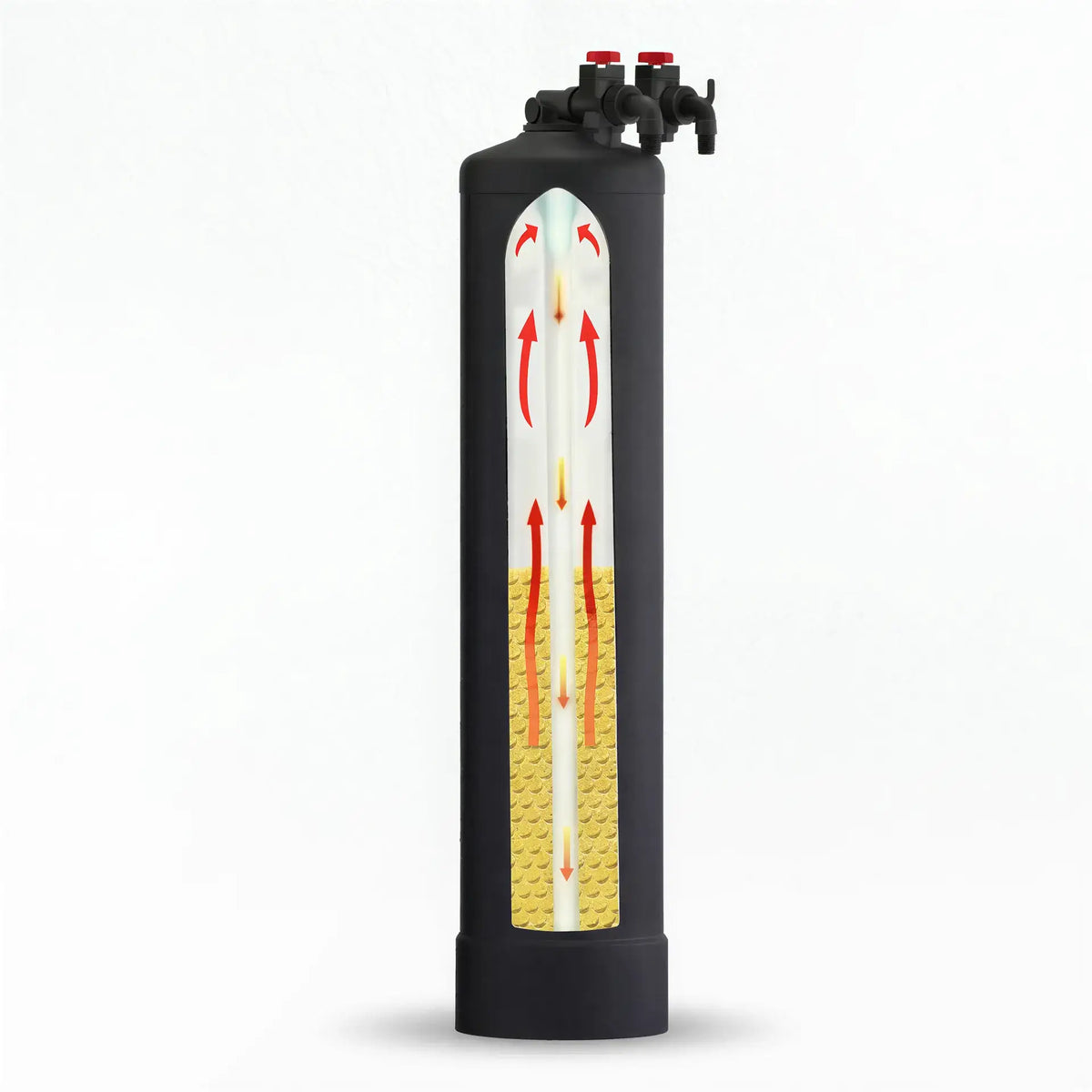
Next-generation upflow technology paired with catalytic carbon and bone char media provides deeper, longer-lasting contaminant reduction than conventional downflow carbon filters.

Most whole-house carbon filters use a downflow design: water enters from the top of the tank, passes downward through the media bed, and exits from the bottom. Over time, this directional flow creates preferential pathways — channels through the media where water flows with minimal contact. As channeling develops, an increasing fraction of the water passing through the tank bypasses effective filtration while the media retains unused capacity.

The SoftPro SUPER Filter Uses Upflow Design

Water enters from the bottom of the tank and is forced upward through the media bed. This prevents channeling by consistently lifting and agitating the media bed under flow — every portion of the media remains in active contact with the water stream. The result? More consistent filtration performance across the system's entire media life, not just in its first months of operation.

  • Icon 1  Catalytic carbon and bone char media reduce chlorine, chloramines, PFAS, heavy metals, pesticides, herbicides, pharmaceutical byproducts, and petroleum compounds through high-surface-area adsorption — a passive physical process that requires no chemicals and generates no byproducts
  • Icon 2  Upflow design forces water through the full media volume rather than allowing it to find the path of least resistance — every gallon gets maximum media contact time throughout the system's service life
  • Icon 3 Media life tested to 600,000 to 1,000,000 gallons — under typical US household consumption, a family of four typically reaches the upper end of media life within 6 to 10 years, eliminating the cartridge replacement cycle entirely

What Makes Bone Char Different From Carbon

And Why It Matters for Fluoride

The question buyers most frequently have about this system is the same question the product name invites: why does adding bone char matter when catalytic carbon already performs so effectively on chlorine and chloramines?

The answer is rooted in the chemistry of fluoride — specifically, in why fluoride is one of the contaminants that activated carbon, even high-performance catalytic carbon, CANNOT reliably remove.

Q: Why Activated Carbon Cannot Remove Fluoride?
Activated carbon removes contaminants primarily through adsorption — a process where dissolved molecules attach to the enormous internal surface area of the carbon material. This mechanism works exceptionally well for organic compounds: chlorine, chloramines, PFAS, pesticides, VOCs, and pharmaceutical traces all have molecular properties that make them attracted to carbon surfaces. Fluoride ions, however, are small, inorganic, and highly mobile in water. They do NOT adsorb effectively onto carbon surfaces. Sending fluoride-containing water through a standard carbon filter — even a very good one — produces water that is largely unchanged in its fluoride content.
Q: What Bone Char Is?
Bone char is a form of activated charcoal produced from the controlled high-temperature incineration of animal bones in an oxygen-limited environment. The resulting material has a structure composed primarily of calcium hydroxyapatite — the same crystalline mineral compound that forms the hard matrix of natural bone — with a porous carbon network throughout. It's been used as a water defluorination material for over a century in both industrial and residential treatment applications
Q: Why Bone Char Removes Fluoride When Carbon Cannot?
The calcium hydroxyapatite structure of bone char has a specific and strong chemical affinity for fluoride ions. When fluoride-containing water passes through the bone char bed, fluoride ions exchange with hydroxide groups in the hydroxyapatite crystal lattice — a process called ion exchange and surface adsorption that operates on entirely different chemistry than the organic adsorption mechanism of activated carbon. The fluoride ions become bound within the bone char structure, and the water exiting the media contains significantly lower fluoride concentrations. This mechanism is consistent, effective at typical municipal fluoride levels, and maintained throughout the media's service life.
Q: What is the SUPER Filter's Dual Media Advantage?
By combining catalytic carbon and bone char in a single tank, the SUPER Filter addresses two distinct categories of water quality concern simultaneously. The catalytic carbon handles the chemical treatment residuals that city water introduces — chlorine, chloramines, PFAS, and organic compounds. The bone char handles fluoride and provides additional adsorption capacity for trace heavy metals and inorganic compounds that carbon alone doesn't address. Neither media could achieve the SUPER Filter's combined contaminant reduction profile on its own.
Section Image

The Chloramine Problem

Why Most Whole-House Carbon Filters Don't Fully Solve It

Chloramines have replaced free chlorine as the primary disinfectant in a growing number of US municipal water systems — and they've created a water quality problem that standard activated carbon filters aren't well equipped to address.

Chlorine vs Chloramines — What's Different

Free chlorine reacts readily with activated carbon. A standard GAC filter that's adequately sized and properly maintained will remove free chlorine consistently.

Chloramines are chemically different — formed by combining chlorine with ammonia during treatment, they're significantly more stable than free chlorine. They're also harder for standard activated carbon to remove. The reaction between chloramine and standard GAC is slow, requiring extended contact time that a conventional downflow carbon filter at typical household flow rates can't provide reliably.

A standard carbon filter on a chloraminated supply may remove an acceptable fraction of the chloramine load at low flow but performs considerably less effectively under high flow conditions or when multiple outlets run simultaneously.

Why Catalytic Carbon Addresses Chloramines Effectively

Catalytic carbon is produced by activating carbon under specific conditions that create a modified surface chemistry with significantly higher catalytic activity than standard GAC. The enhanced surface reactivity catalyzes the decomposition of chloramine molecules — breaking the nitrogen-chlorine bond and neutralizing the disinfectant residual — at a rate that standard GAC can't match.

This higher reaction rate means that the contact time available during normal household flow rates is sufficient for effective chloramine reduction across all flow conditions, not just at low flow.

This is the reason the SoftPro SUPER Filter specifies catalytic carbon rather than standard GAC. On a chlorinated supply, the performance difference is modest. On a chloraminated supply — which now accounts for a majority of US public water systems — the difference in chloramine reduction between standard GAC and catalytic carbon under real-world flow conditions is SIGNIFICANT.

How to find out if your city uses chlorine or chloramines: Your utility's annual Water Quality Report is required to list the disinfectant type. If it says chloramines or combined chlorine, you're on a chloraminated supply. Either way, the SoftPro SUPER Filter's catalytic carbon addresses both effectively.

Section Image

PFAS: What They Are, Why They're in Your Water

And What the SUPER Filter Does About Them

PFAS — per and polyfluoroalkyl substances are present in the water supply of a significant and growing percentage of American households. They're NOT addressed by standard municipal water treatment, and they represent a genuinely different kind of water quality concern than the disinfection residuals and hardness minerals that water treatment products have traditionally focused on.

What PFAS Are

PFAS are a family of more than 12,000 synthetic chemical compounds characterized by extremely strong carbon-fluorine bonds — the same property that makes them useful in industrial and consumer applications also makes them essentially indestructible in the natural environment.

They were developed starting in the 1940s and became ubiquitous in manufacturing: nonstick cookware coatings, waterproof clothing treatments, food packaging, firefighting foam, semiconductors, and hundreds of industrial processes all involve PFAS compounds. Because they don't break down, they've accumulated in soil, groundwater, surface water, and eventually in municipal water supplies.

Why They're Called Forever Chemicals

The carbon-fluorine bond in PFAS is among the strongest chemical bonds in organic chemistry. No natural process breaks it down at any meaningful rate under environmental conditions. PFAS released decades ago are still present in water and soil today. They accumulate in human blood and tissue. Once PFAS enter a water supply, they can't be diluted or naturally degraded to a point of insignificance.

What the EPA Has Done About PFAS in Drinking Water

In April 2024, the EPA finalized maximum contaminant levels for six PFAS compounds in public drinking water — the first federal enforceable limits for these substances. The MCL for PFOA and PFOS was set at 4 parts per trillion.

Many municipal systems currently deliver water with PFAS levels above these new limits. In the interim, household point-of-entry filtration is the most practical available option for families who want to reduce PFAS exposure immediately.
How the SUPER Filter Addresses PFAS

PFAS compounds are removed by activated carbon primarily through adsorption. The key variables are surface area, contact time, and media quality.

Catalytic carbon's high surface area and the SUPER Filter's upflow design — which maximizes the contact time between water and media — combine to produce PFAS reduction of up to 99% under typical city water conditions. The addition of bone char provides supplementary adsorption surface area for certain PFAS compounds that carbon alone addresses less completely.

Section Image

Does This Filter Replace a Water Softener?

Or Do You Need Both?

This is the question that many buyers who arrive at this page from a softener search will want answered.

The answer is clear: this filter and a water softener address completely different problem. Neither replaces the other.

What This Filter Does

• Removes chlorine, chloramines, PFAS, fluoride, heavy metals, pesticides, and chemical contaminants through adsorption

• Improves water taste, odor, and chemical safety at every outlet in the home

• Passive operation — no programming, no salt, no regeneration

• Does NOT remove dissolved calcium and magnesium — it does NOT address water hardness at all

What a Water Softener Does

• Removes dissolved calcium and magnesium through ion exchange — preventing scale buildup, extending appliance life, improving soap performance

• Addresses the mineral hardness that causes white deposits on fixtures, spotted dishes, dry skin from mineral residue, and scale damage inside water heaters

• Does NOT remove chlorine, chloramines, fluoride, or PFAS — a softener is NOT a filtration system

When to use both: Many city water homeowners have both hard water AND chemical treatment concerns. In that scenario, a softener and a whole-house filter serve complementary functions — each solving a problem the other can't address. When used together, the filter is typically installed upstream of the softener so that chemically treated water passes through the filter before it reaches the softener's resin.

If you're unsure whether you need one or both, contact us — a five-minute conversation will give you a clear answer.

Section Image

Fluoride & Chlorine+ SUPER Filter vs Chlorine+ Carbon Filter

Which Do You Need?

Both products are whole-house upflow carbon filtration systems from SoftPro. Both use catalytic carbon. Both are sized for medium to large homes. The difference is the addition of bone char to the SUPER Filter — and whether that addition is relevant to your household's priorities is a straightforward question to answer.

Chlorine+ Carbon Filter ($819) — Choose This If:

• Chlorine taste and odor, chloramine removal, and PFAS reduction are your primary concerns

• Fluoride in your city water is not a specific concern for your household

• You want excellent chemical filtration at a lower entry price

Fluoride & Chlorine+ SUPER Filter ($1,019) — Choose This If:

• Fluoride reduction is a priority — for infants, young children, or any household that prefers to minimize fluoride exposure

• You want the most comprehensive whole-house chemical filtration available in a single-tank system

• You want enhanced heavy metal reduction and broader trace contaminant coverage through bone char's additional adsorption capacity

Both products offer the same upflow design, the same media life (600,000 to 1,000,000 gallons), the same lifetime warranty, and the same 6-month guarantee. The $200 difference buys the fluoride reduction and the additional contaminant coverage that bone char provides.

Included at No Charge: Neoprene Tank Insulating Jacket

A $59 Value

Your SoftPro SUPER Filter order ships with a complimentary neoprene insulating jacket for the filter tank, while supplies last. For a system installed in a garage, pump room, or any semi-exposed utility space, this jacket provides practical protection that extends system life.

• Insulates the filter tank to reduce external condensation — particularly relevant for systems in humid climates or unheated installation spaces

• Provides a protective thermal and physical barrier for systems in garages, outdoor equipment sheds, or pump houses

• Washable neoprene construction — remove for maintenance access, rinse, and replace without any tools

Your SUPER Filter Is Almost Home

Fast Shipping From the Warehouse Nearest You

• Orders are processed and dispatched within 1–3 business days, with automatic shipment tracking sent to your inbox

• Nine regional fulfillment locations across the country mean your system ships from the warehouse closest to your delivery address

• Free shipping on all system purchases to the continental United States — no minimum order, no freight surcharge at checkout

• Real people answer the phone if your shipment is delayed, damaged, or arrives with any discrepancy

Section Image

Confidence You Can Feel From Day One

Protected for Life, Guaranteed for 6 Months

Lifetime Warranty

Every SoftPro Fluoride & Chlorine+ SUPER Filter ships with a limited lifetime warranty covering the system and its components. A filtration system with no cartridges to replace, no electrical components to fail, and a passively operating media bed is inherently a long-lived piece of equipment — the warranty reflects that reality. Coverage extends for the life of your ownership and transfers with the system if you sell the property.

6-Month Money-Back Guarantee

Six months gives you enough time to genuinely evaluate this system. You'll know within the first week whether the chlorine odor has disappeared from your showers. For fluoride-reduction verification, a simple inexpensive tap water test at 30 and 90 days provides documented confirmation.

If within six months of delivery you're not satisfied with any aspect of the system's performance, contact us for a fair and transparent return process.

What Warranty Support Looks Like in Practice

• Direct contact with the same team who supported your purchase — no third-party claims processor

• Remote troubleshooting first — most installation and performance questions are resolved by phone without any parts shipment

• Replacement components dispatched promptly when a diagnosis confirms a component issue

Warranty Details

What the SUPER Filter Reduces

The Full Contaminant List

Icon

Fluoride

A naturally occurring mineral added to most US municipal water supplies at approximately 0.7 mg/L. Standard activated carbon does NOT reliably remove fluoride. Bone char's calcium hydroxyapatite structure adsorbs fluoride ions consistently. The SUPER Filter is one of the few whole-house systems capable of meaningful fluoride reduction across the entire home supply.

Icon

Chlorine

Used as the primary disinfectant in water treatment to prevent bacterial regrowth in distribution pipes. Gives tap water its characteristic pool-like odor and reacts with organic matter in source water to form trihalomethanes. Catalytic carbon removes free chlorine rapidly and consistently through adsorption.

Icon

Chloramines

A secondary disinfectant increasingly used in municipal systems. More stable than free chlorine and more difficult for standard GAC to remove. Catalytic carbon is specifically engineered for chloramine removal — its enhanced surface chemistry catalyzes chloramine decomposition at a rate that standard carbon can't match.

Icon

PFAS (Forever Chemicals)

Per- and polyfluoroalkyl substances — synthetic compounds that do NOT break down in the environment and accumulate in human tissue. Detected in a significant percentage of US municipal water supplies. The dual catalytic carbon and bone char media combination provides high-surface-area PFAS capture of up to 99% under typical city water conditions.

Icon

Heavy Metals (Trace)

Dissolved metals including lead, copper, and mercury that enter through source water contamination or dissolution from aging plumbing infrastructure. Bone char provides adsorption sites for certain heavy metals alongside fluoride, reducing trace concentrations that pass through standard carbon treatment.

Icon

Pesticides, Herbicides & VOCs

Agricultural chemical runoff and industrial volatile organic compounds that enter the water supply through soil filtration and surface water contamination. Catalytic carbon's high surface area provides broad-spectrum adsorption of these organic compounds at typical city water concentrations.

Icon

Pharmaceutical Byproducts

Trace concentrations of medications, hormones, and pharmaceutical compounds detected in an increasing percentage of US municipal water supplies. The combined adsorption capacity of catalytic carbon and bone char reduces trace pharmaceutical compounds that pass through municipal treatment.

200+ Homeowners Can't Be Wrong.

Real families. Real results. Real clean water.

Find out why SoftPro is the no-brainer choice for anyone done settling for "good enough." 💧

Upflow Technology
10% High-Capacity Resin
99% Fluoride Removal
Lifetime Warranty*
60-Day Money Back Guarantee
SoftPro Fluoride Filter
SoftPro Carbon Filter
Competitor #1
Competitor #2
Competitor #3
Competitor #4
Swipe to scroll

see what our customers are saying

Because transforming your water transforms your life...forever!

Image banner

DANIEL R. - TEXAS

Verified Customer

I just wanted to say thank you for your excellent products and service over the past 12 years.

Image banner

JULIE M. - FLORIDA

Verified Customer

After we installed the Softpro Elite I noticed a significant difference in the house water quality.

Image banner

DAN T. - SOUTH CAROLINA

Verified Customer

Great customer service before and after my softener purchase!

ROY P. - CALIFORNIA

Verified Customer

Very impressed and satisfied with SoftPro's products and customer service!

Image banner

DENISE C. - NEW HAMPSHIRE

Verified Customer

Easy to install. Jeremy helped in making the right purchase!

Section Image

Installation Guide

Simpler Than a Softener, Faster Than You Think

The SoftPro SUPER Filter is a single-tank point-of-entry filtration system. It connects to your main household water supply line and treats every gallon before it distributes to any outlet.

Compared to a water softener, installation is simpler: there's no brine tank to connect, no drain connection required for normal operation, no salt to add, and no programming to complete at installation.

What a Standard Installation Involves

• Identifying the main supply line entry point — typically where the water service line enters the home from the meter

• Shutting off the main water supply and cutting into the supply line to install the filter's inlet and outlet connections

• Connecting the included bypass valve — this allows you to isolate the filter for maintenance without shutting off water to the rest of the home

• No drain connection required for normal daily operation — the selective backwash override feature means the system rarely needs to backwash on clean city water

• If paired with a water softener: install the filter upstream of the softener so chemically treated water is filtered before it reaches the softener's resin bed

Compatible Pipe Materials

The included 3/4" flex lines are compatible with copper and PEX supply plumbing. They're not suitable for PVC connections. PVC homes require copper or PEX transition fittings at the connection points.

No Programming, No Setup, No Ongoing Adjustment

Unlike a water softener, this filter requires no programming at installation and no ongoing adjustments during operation. The automated backwash control head manages the occasional media cleaning cycle automatically. The selective backwash override allows the system to skip up to 10 backwash cycles when not needed on clean city water.